
Emerging from Johannesburg’s alternative hip-hop scene, Shoka Sunflower has built a body of work that resists easy definition — rooted in introspection, emotional honesty, and a willingness to sit with discomfort rather than resolve it. His album For Now Keep Dancing exists within that space, offering not just a collection of songs, but a reflection of a particular emotional landscape — one that continues to evolve alongside him.
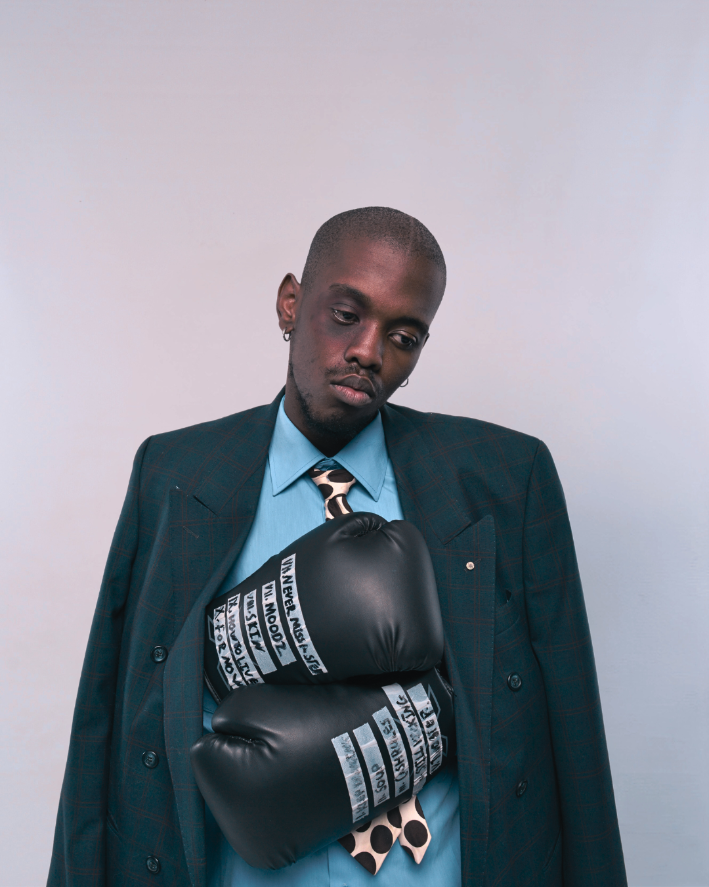
When he first created the project, For Now Keep Dancing , was deeply personal, rooted in how he navigated confrontation at the time. As he reflects now, it came from “a place of avoidance — not wanting to face certain parts of myself or my life.” But with time, that meaning has shifted. What once felt like escape has matured into something more grounding, a mindset he carries forward: “it’s become a kind of mantra… when things get difficult, you keep going.”
That evolution mirrors the growth he’s experienced since the album’s release. Looking back, he recognises not just an improvement in his craft, but a deeper shift in how he approaches his truth. “I understand myself a lot more now,” he explains, adding that he’s no longer creating from a place of fear. Instead, there’s a conscious decision to be fully transparent in his work — “to tell the whole truth, even when it’s uncomfortable or not easy to sit with.”
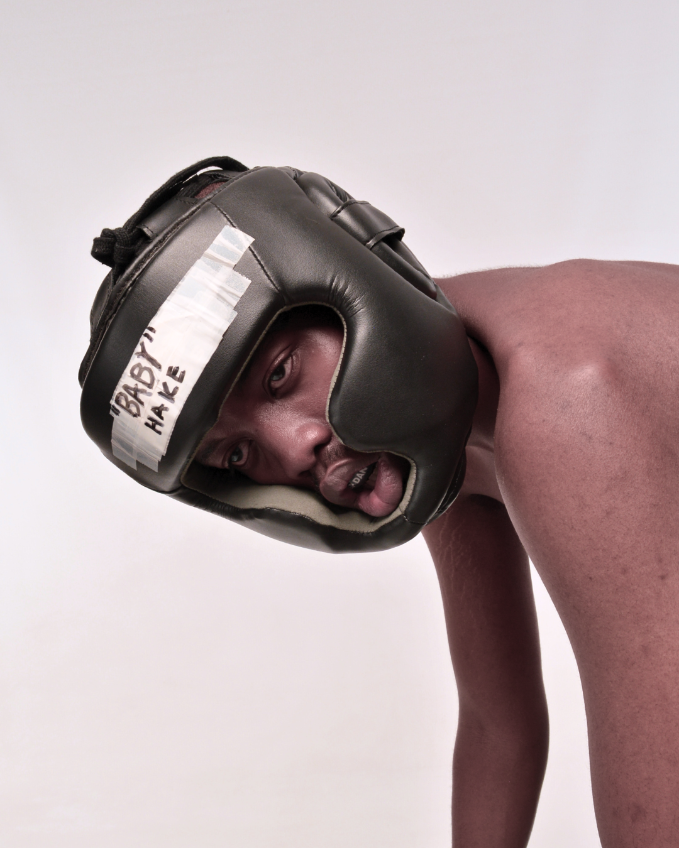
Created in his early twenties, For Now Keep Dancing carries the weight of that period — shaped by loss, introspection, and the consequences of personal choices. Rather than trying to make sense of everything in real time, Shoka allowed the music to hold that uncertainty. Influenced in part by the emotional honesty of Kendrick Lamar’s Mr. Morale & The Big Steppers, he leaned into that openness, letting the narrative unfold gradually. As he puts it, the story “revealed itself the longer I sat with the record,” rather than being something fully formed from the beginning.
This approach extends into how he creates more broadly. There is no sense of emotional distance or protection in his process — instead, he immerses himself completely. He describes it as almost instinctive: “I don’t try to protect myself from the work… I lean into whatever it asks of me, because I want the emotion to come through as clearly and honestly as possible.” That willingness to feel deeply is what gives the album its intensity — not performative, but lived.
At the same time, there is a clear distinction between the artist and the person behind the name. Shoka Sunflower, as he describes it, becomes a necessary outlet — a space where expression can exist without limitation. In his words, “the person behind Shoka Sunflower uses the artist to say and do the things he otherwise wouldn’t.” It’s within that separation that his work finds both its freedom and its depth.
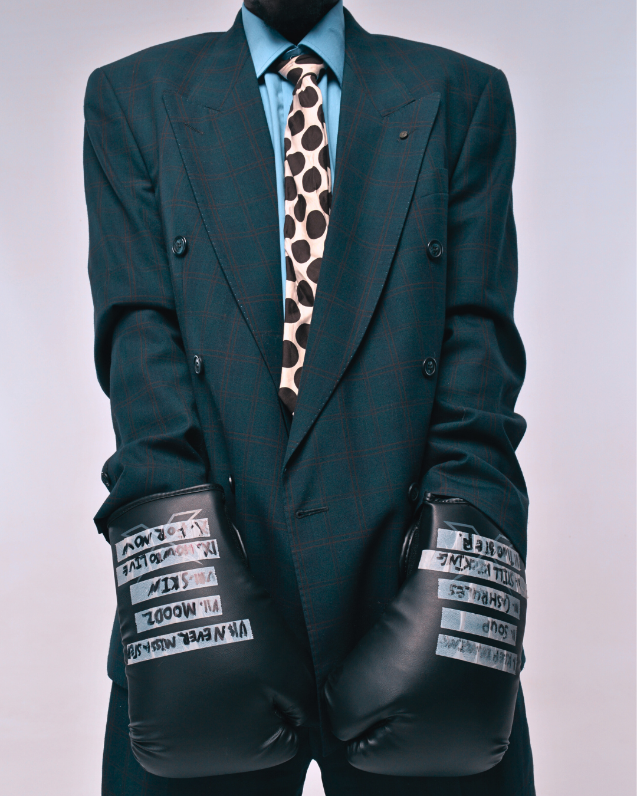
Visually, For Now Keep Dancing expands this internal dialogue into something more symbolic. The concept draws from the idea that fighting can resemble dancing — a rhythm of movement, reaction, and endurance. From there, the world of the album began to take shape through the figure of a fighter, rooted in both metaphor and cultural context. Reflecting on this, he notes that “for many Black men, boxing has historically been a way out — in the same way music has been for me,” drawing a direct parallel between struggle and survival.
This idea carries through into the album’s visual storytelling, particularly in Still Kicking: A Baby Hake Character Study. The short film captures an anti-hero in motion — someone constantly caught between building and unravelling themselves. Shoka describes it as “a continuous cycle of becoming and breaking… the highs, the lows, and everything in between,” a reflection not only of the character, but of his own experience while creating the album. Still, he resists over-explaining it, preferring to leave space for interpretation.

At its core, the intention behind the project remains simple but deeply felt. He hopes that in engaging with the music, listeners might begin to engage more honestly with themselves.
“I want people to feel less alone… to sit with their thoughts, even the uncomfortable ones, and hopefully come out of that feeling lighter.”
Even as his audience continues to grow, his definition of success remains grounded. It isn’t about recognition or numbers, but about sustainability — about being able to continue creating freely. For him, success is ultimately “having the ability to make more work, at a high level, without limitations.”

Looking ahead, there’s a quiet openness to what comes next. There are no definitive answers, no rigid expectations — only a willingness to continue evolving. And perhaps that’s the most honest place to leave things. As he says, simply, “we’ll find out together.”