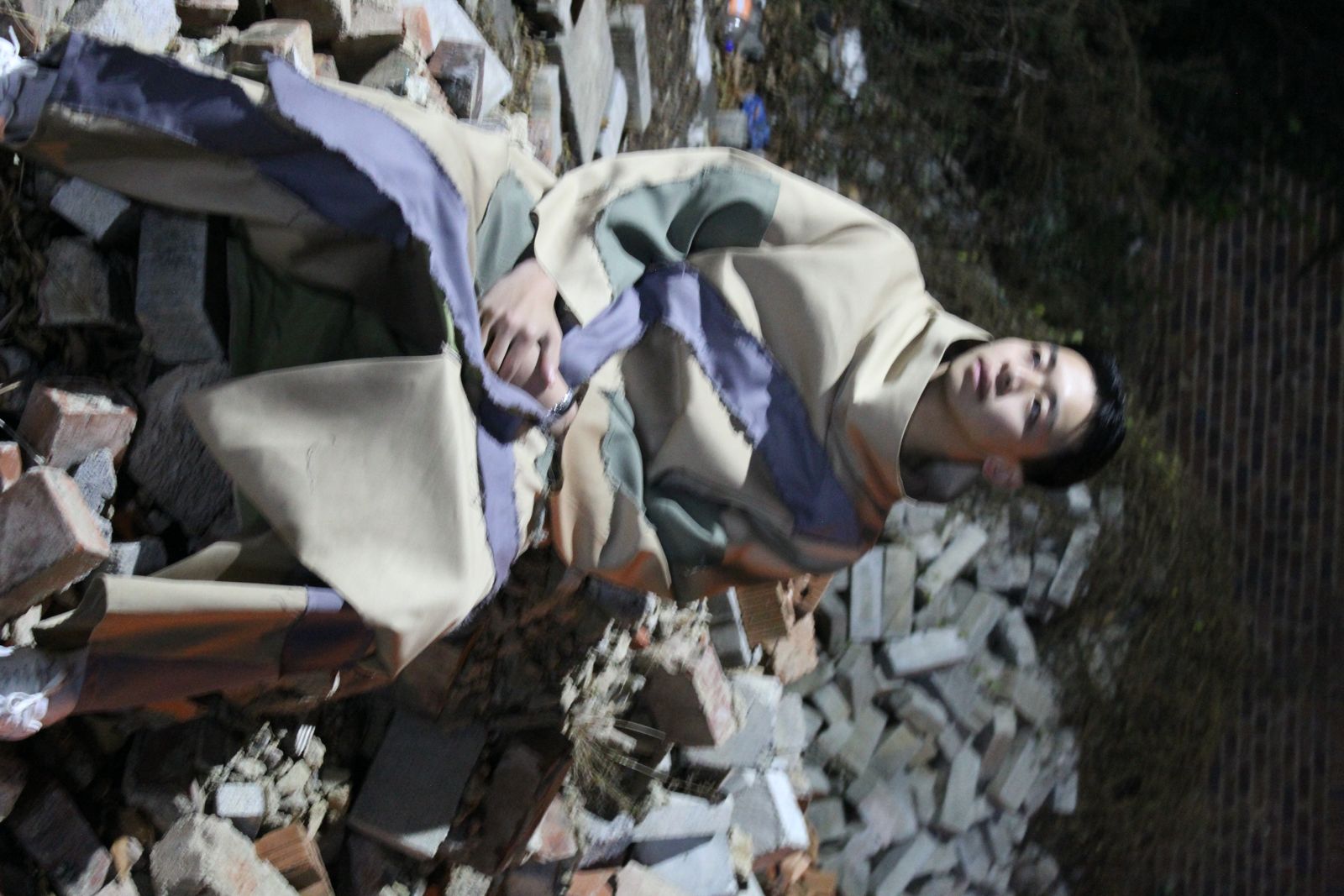
For Veruschka Patrick, Beyond Perspective, fashion is more than what we wear. It is a language through which identity, experience and the expectations placed on us can be questioned.
Coming from a creative family and a strong line of independent women, Veruschka Patrick describes resilience as an important part of their creative foundation. Those experiences, combined with a curiosity about the way clothing influences how people move through the world, eventually led them towards fashion as a form of storytelling.
“I see fashion as both a canvas and a language,” they explain. “My creative path has been about learning how to speak through it.”. That approach sits at the centre of Beyond Perspective, a collection created around the question of how men see themselves and how society sees them in return.
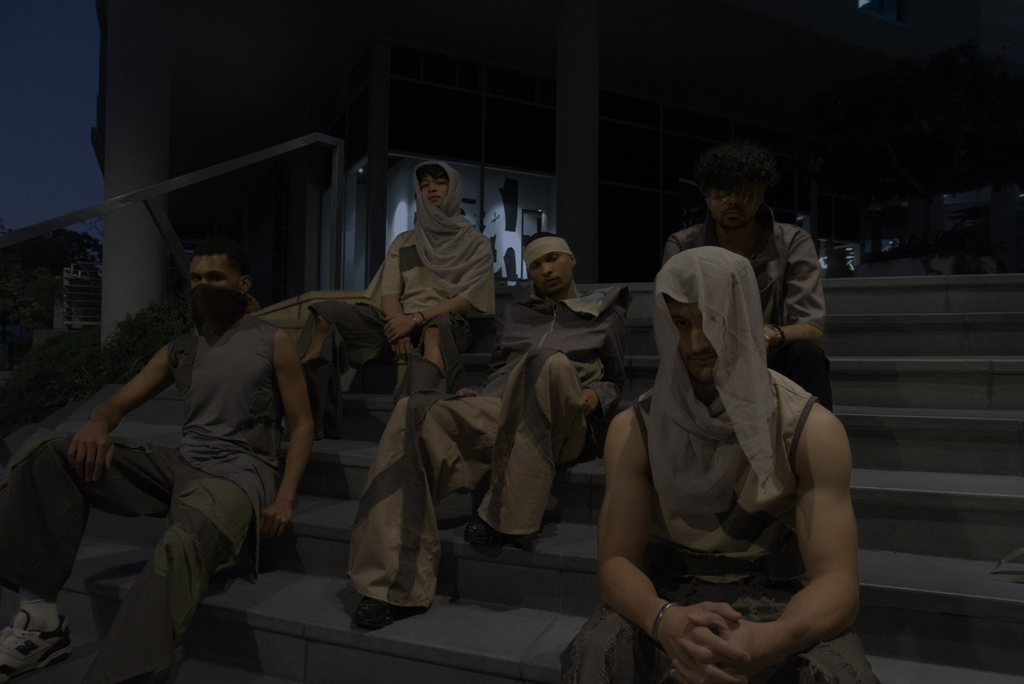
The collection challenges the familiar expectations attached to masculinity, strength, stoicism and dominance all while making space for vulnerability, individuality and a more fluid understanding of identity.
Its title reflects that intention. “Beyond” is an invitation to look past the stereotypes and assumptions attached to masculinity, while “Perspective” speaks to the different ways identity can be understood depending on where you stand. Together, the words point towards identities that are more layered than the expectations placed around them. The idea became even clearer during a visit to a planetarium, where the vastness of the cosmos offered another way of thinking about identity as something layered and difficult to define.
That sense of scale translated into the collection’s visual language. Oversized tailoring is placed alongside delicate fabrics, creating a contrast between strength and vulnerability. Layering and asymmetry speak to complexity and contradiction, while exposed seams and raw edges introduce a sense of honesty and imperfection.
Polished finishes then bring refinement back into the conversation.
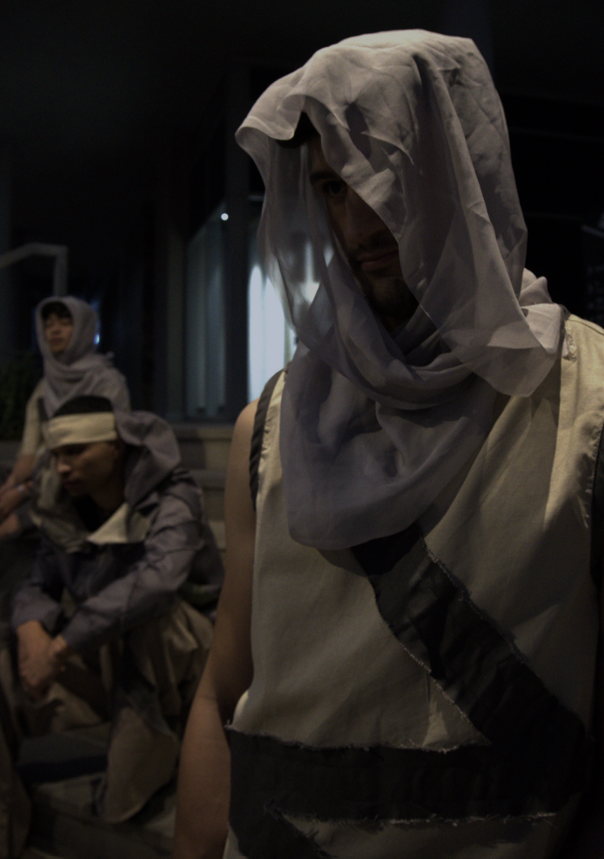
Rather than choosing between opposing ideas, the collection allows them to exist together. Masculinity can be strong and vulnerable. Structured and fluid. Certain and questioning. For the designer, this tension is intentional. “Society often places men in boxes,” they explain. “But fashion can dismantle those boxes.” Beyond its visual identity, the collection is therefore positioned as a conversation about the narratives men inherit and the freedom to redefine them. It asks audiences to consider how much of the way we present ourselves comes from personal choice and how much has been shaped by expectations.
The hope is that people leave Beyond Perspective seeing fashion differently and not simply as clothing, but as a mirror and a starting point for dialogue.
Looking ahead, the designer plans to continue exploring identity across cultures, including Korean fashion, while expanding into multimedia collaborations involving film, performance and digital storytelling. There is also a desire to build deeper relationships with male audiences and create a community that feels represented within the world they are shaping.
Beyond Perspective may be the beginning, but its central question extends far beyond a single collection: What new identities emerge when we refuse to be defined by expectation?