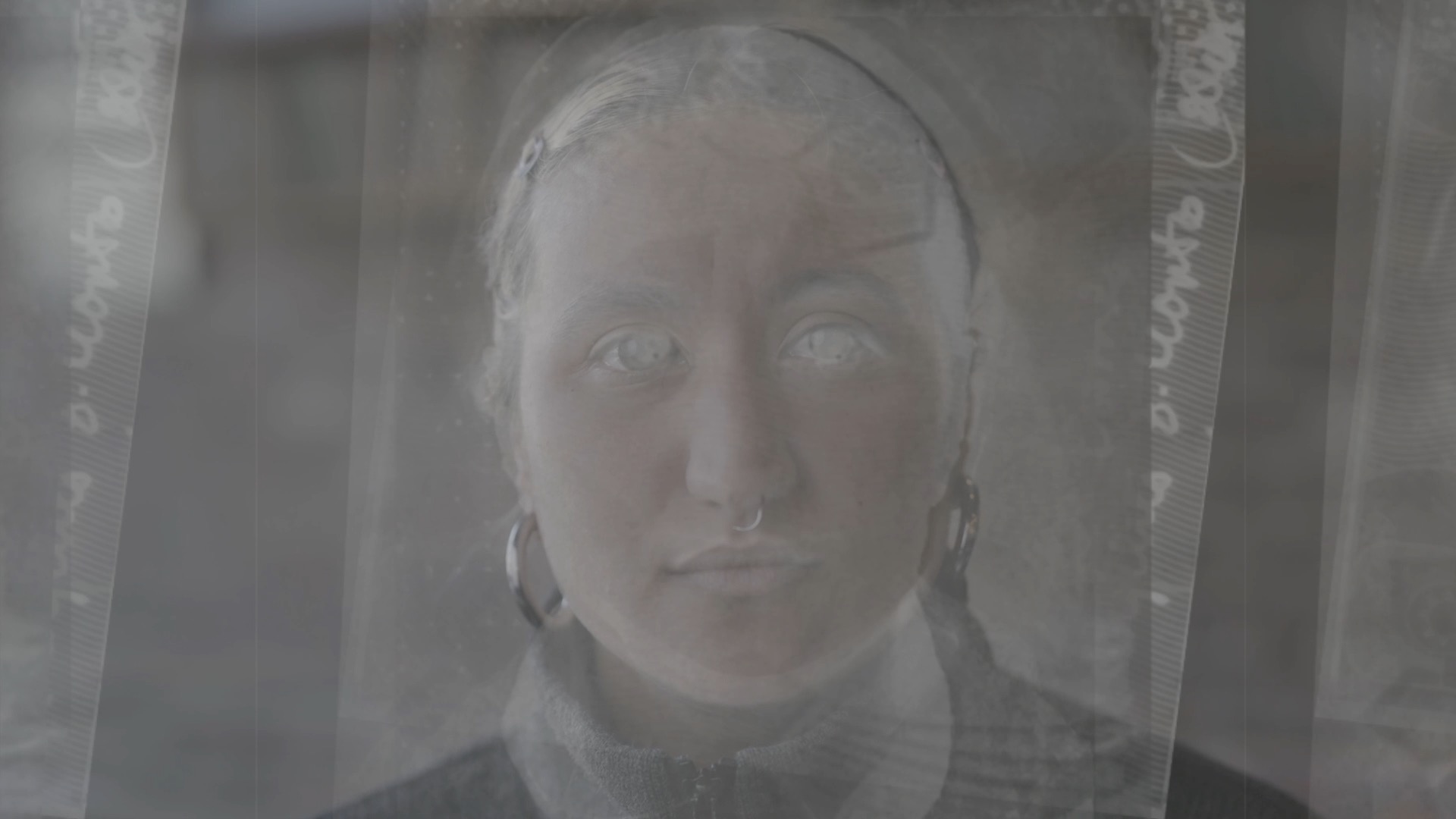
For Montréal-based filmmaker and interdisciplinary artist MJ Desharnais, storytelling begins where certainty ends. Rather than offering neat narratives or clear conclusions, her work embraces fragmentation, absence and the complexities of identity, inviting audiences to experience stories that are felt as much as they are understood.
Born in the Philippines and adopted as an infant before being raised in Québec, Desharnais has built an artistic practice that spans experimental film, writing, photography, archives and research-creation. Across every medium, she returns to questions of memory, belonging, displacement and the ways personal histories are shaped by institutions, documentation and the stories others tell on our behalf.
“My personal experiences are inseparable from the stories I am drawn to tell,” she explains.
Growing up between cultures meant living with questions that could not always be answered. While official records documented parts of her life, they often reflected institutional perspectives rather than lived experience. That tension between personal memory and recorded history has become one of the defining threads throughout her work.
Her artistic practice is equally informed by living with an invisible disability and mental health challenges, experiences that have shaped her understanding of the body as a place where memory, trauma and emotion are often carried beyond language. Rather than relying on conventional storytelling, Desharnais found a natural home in experimental film, where image, sound, silence and rhythm become tools for expressing experiences that resist simple explanation.
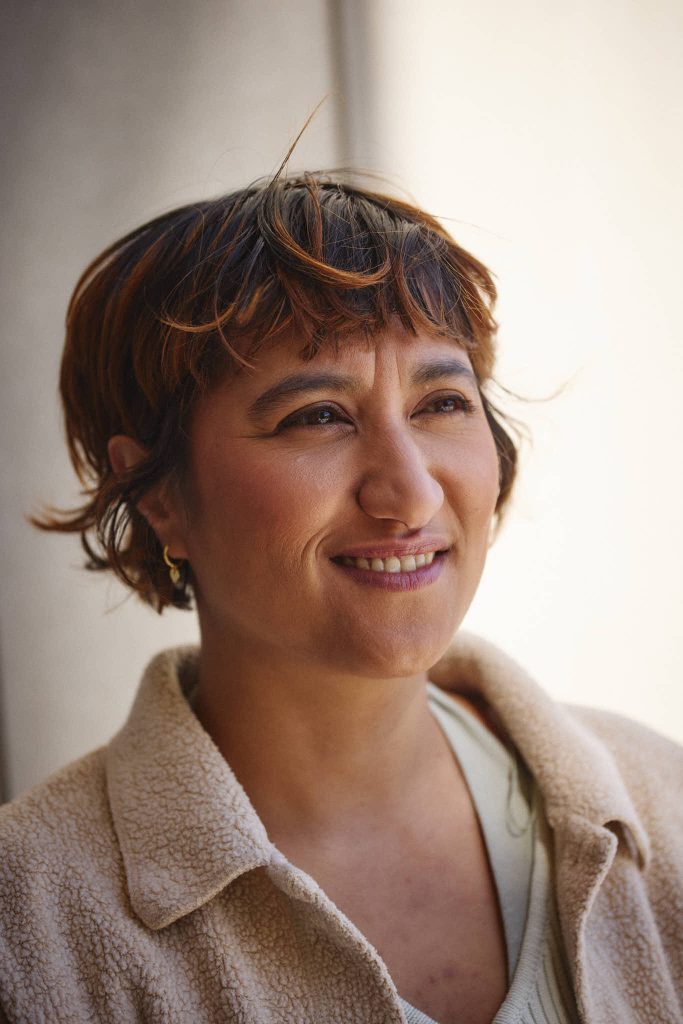
“I do not experience memory, identity, or trauma as linear things, they arrive in fragments, documents, sounds, gestures, repetition, contradiction, and sometimes in absence.” she explains.
That philosophy is central to her first experimental short film, SURRENDERED. Exploring psychological pressure, dissociation, memory and survival through fragmented imagery and sound, the film premiered in Montréal through ASIATE en court – Festival Accès Asie before screening internationally in Atlanta and Mexico City. It also received two nominations at the 2026 Atlanta Experimental Fest, recognising both its documentary approach and experimental vision.
For Desharnais, creating SURRENDERED became a defining moment in trusting her own artistic instincts. The film emerged organically from materials connected to her broader creative practice, including adoption documents and personal research. Rather than constructing a traditional narrative, she allowed the work to unfold through emotion and sensory experience, discovering that a film does not need lengthy explanations to communicate something deeply human.
“I am less interested in resolving an experience for the audience than in creating the conditions for them to encounter it.”
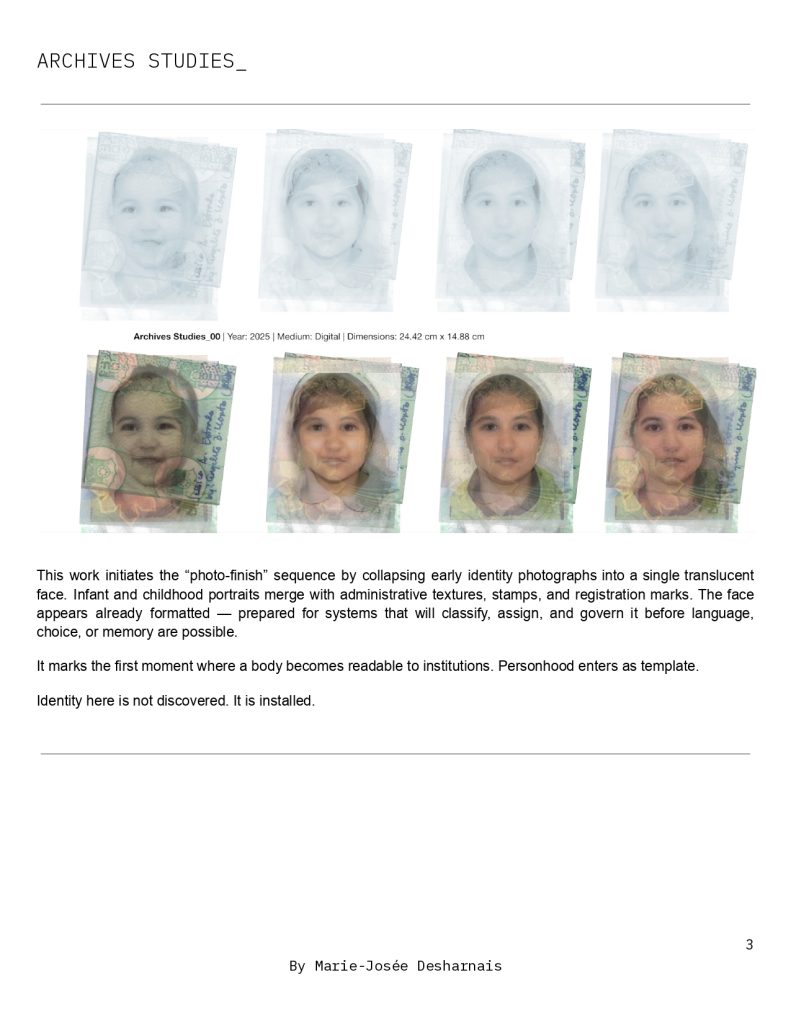
That exploration continues in her developing feature-length hybrid documentary, Weaving Identity, a deeply personal project that began after receiving hundreds of documents connected to her adoption. Confronted by a life documented almost entirely through institutional records, she began asking what it means to reclaim a history that has largely been written by others.
Combining personal archives, textile practices, sound, family memory and conversations with Filipino, adoptee and diasporic communities, the project expands beyond autobiography to examine larger questions surrounding transnational adoption, cultural erasure, language, family and identity. Rather than offering definitive answers, Desharnais hopes the work creates space for dialogue around how identity is continually reconstructed and shared.
As her artistic practice continues to evolve across multiple disciplines, she remains committed to a way of working that values collaboration, care and community as much as creative output. Success, she believes, extends far beyond exhibitions, awards or festival selections.
Instead, it lies in creating work that gives people permission to recognise themselves within stories that are often overlooked, fragmented or difficult to articulate. For MJ Desharnais, it is about rebuilding it, questioning it and creating space for others to do the same. Through every film, photograph, archive and written work, she continues to transform deeply personal experiences into conversations that resonate far beyond her own story.