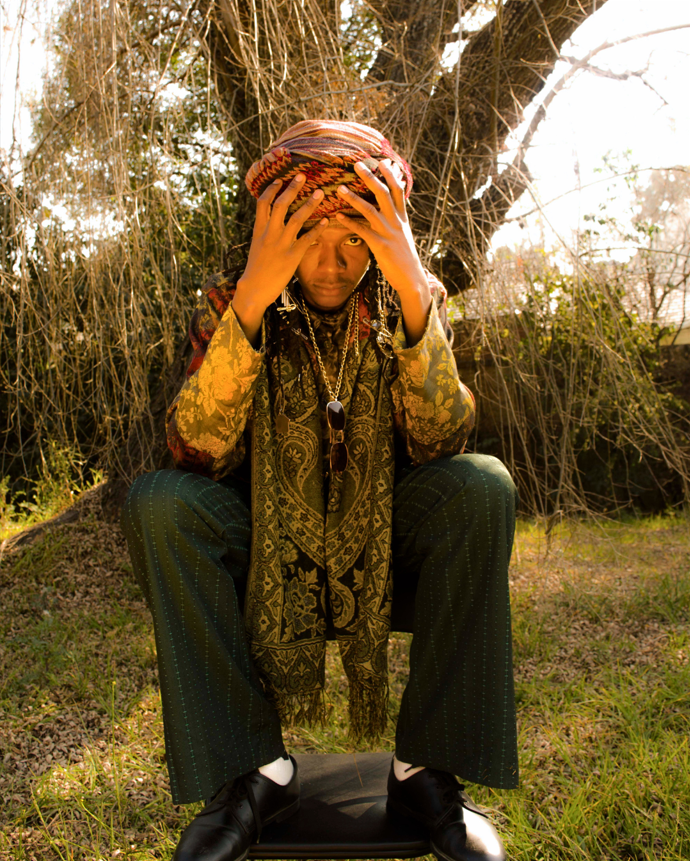
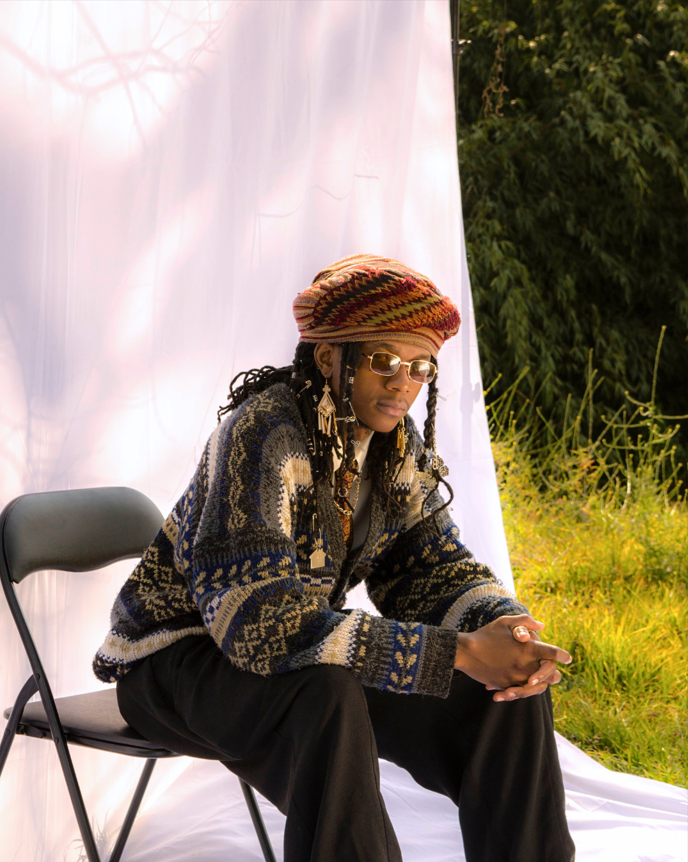
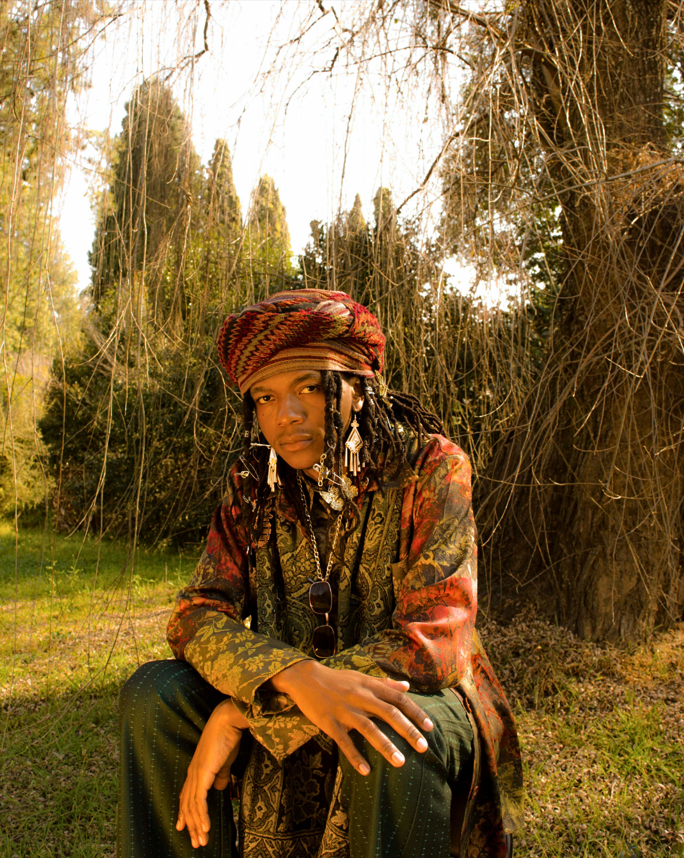
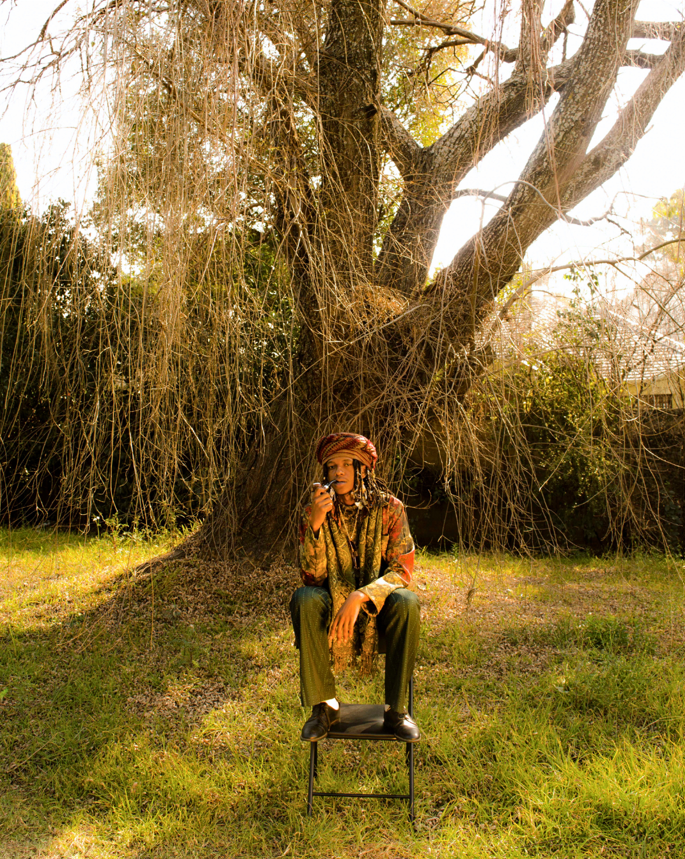
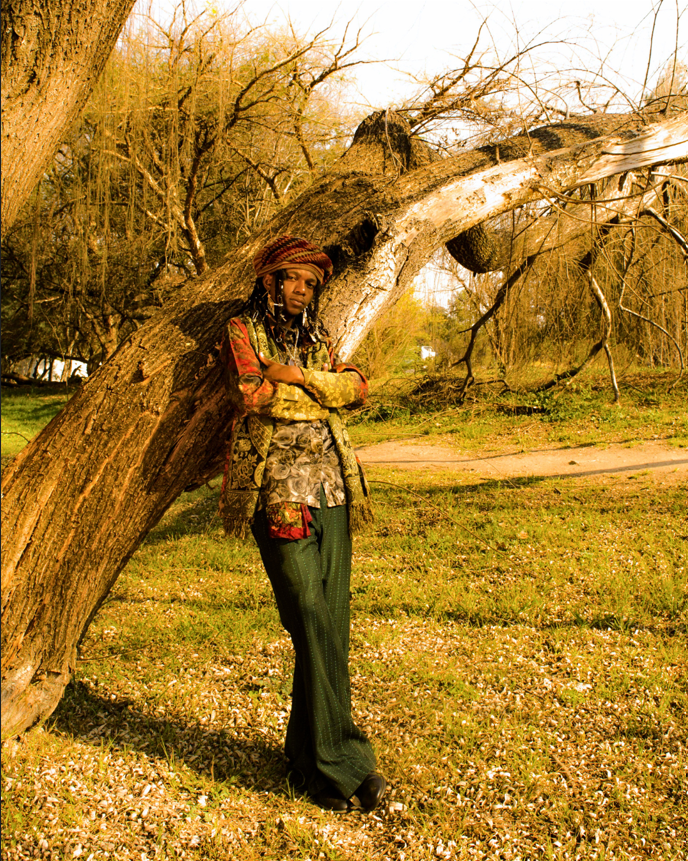
Three chapters, one idea: keep digging until you find something valuable.
For ORO WaAfrika, the mining metaphor behind his trilogy began as a way of exploring purpose, identity, struggle and the things worth holding onto through difficult times. What he did not expect was to discover that the idea was connected to his own family.
During a conversation with his mother, she told him that members of their family had once dug for gold in their own yard. Suddenly, the concept he had been exploring through his music became much more personal.
“It suddenly became personal to me and my family,” he says. “This conversation between me and my mother made me appreciate this whole trilogy even more. Nothing is really a coincidence, and that’s incredible to me.”
“What’s important is to persist and dig our way through the ground until we find whatever we feel is valuable.”
That discovery gives SHAFT 26, the final chapter of the trilogy, another layer. What started as an idea about finding value became connected to his own history, while the music continued to explore the relationship between struggle, perseverance, identity and community.
For ORO WaAfrika, those ideas have never existed separately.
“You can’t take away struggle from perseverance as much as you need community when finding your identity,” he explains. “All these things are connected no matter how I look at them.”
He wants listeners to think about those connections rather than simply moving through life from one goal to the next. When he talks about “philosophising” your life, he is not suggesting anything overly complicated. For him, it means understanding what matters to you.
That approach seems to extend beyond the music. ORO WaAfrika has been intentional about finding and building creative communities. He wanted to work with other artists, but he also wanted somewhere those ideas could exist outside of the studio, spaces for performances, open mics, jam sessions and experimentation. It is one of the reasons he has become increasingly involved in curating creative spaces and events.
“I think community is IMPORTANT,” he says. “Knowing who’s around you and what they do is very important so that we know how we can contribute to each other’s success.”
For ORO WaAfrika, a good creative space should give artists room to experiment while giving audiences a reason to remain open to something unfamiliar. He points to spaces such as Your Weekly Touch Up and Kids Love Jazz as examples of environments where the curation itself creates that freedom. As someone involved in creating these spaces, he believes the concept has to come before the lineup.
“What we want to communicate with the event is what’s important as a foundation first,” he says. “Then we find a space that can translate and inherently elevate the message best. The talent is like decoration that makes it make sense, basically the icing on the cake.”
That philosophy is also reflected in the way ORO WaAfrika approaches his own career. He is not interested in limiting himself to being an artist or producer. His work has expanded into collaboration, event curation and live sound, with each role giving him another understanding of how the creative process works.
Through spending time around sound engineers and working in different environments, he developed his technical understanding through practice. Nikis Oasis gave him space to experiment and make mistakes, while opportunities in live sound engineering have allowed him to take that knowledge further, including working at spaces such as UMANYANO LWE-JAZZ.
His approach to learning is simple: “Nothing I can do is wrong.”
It is a mindset that has allowed him to keep experimenting without becoming too concerned with whether every attempt is perfect. And for someone who sees himself as intentionally building a multidisciplinary creative practice, that willingness to learn is important.
“I want to be a part of the WHOLE process in its most holistic sense,” he says.
Away from the music and the spaces he helps create, Sabelo Njakazi is a self-described cooking enthusiast. His appreciation for well-built cinematic universes has even influenced the way he thinks about his own music. It is a reminder that while much of ORO WaAfrika’s work is rooted in questions about purpose and creativity, Sabelo is also someone who finds joy in the things he loves outside of his work.
That balance becomes particularly interesting when he talks about the challenges facing young independent creatives in South Africa. For ORO WaAfrika, one of the biggest problems is that everyone wants the visibility associated with success, but not enough people are thinking about how to create the value and infrastructure that make sustainable success possible.
“Everybody wants to be a superstar, but no one wants to create value and create space for superstardom to exist.”
His answer is less about chasing opportunities and more about becoming someone who can contribute to the ecosystem.
“HELP people and also find how you can position yourself to find sustainability while helping,” he says. “Make sure you have things you’re good at that bring value and it can be ANYTHING.”
It is also why collaboration matters so much to him. ORO WaAfrika understands that building a creative career is rarely an individual effort. The people around an artist, collaborators, producers, engineers, curators, photographers, audiences and other creatives – all play a role in creating an environment where good work can happen.
When he thinks about the next five or ten years, his ambition reflects that same belief. Rather than focusing only on personal success, ORO WaAfrika wants to be part of a creative community with the resources to sustain itself fairly. He speaks about building the groundwork for an ecosystem where creatives can focus more on making things and less on constantly worrying about whether there will be opportunities to support themselves.
For an artist whose latest project is built around the idea of digging for what is valuable, it feels like a fitting place to arrive.
SHAFT 26 may close the trilogy, but ORO WaAfrika is clearly not finished digging. The next part of the journey is about what happens when you take what you have found and use it to build something that other people can also be part of.