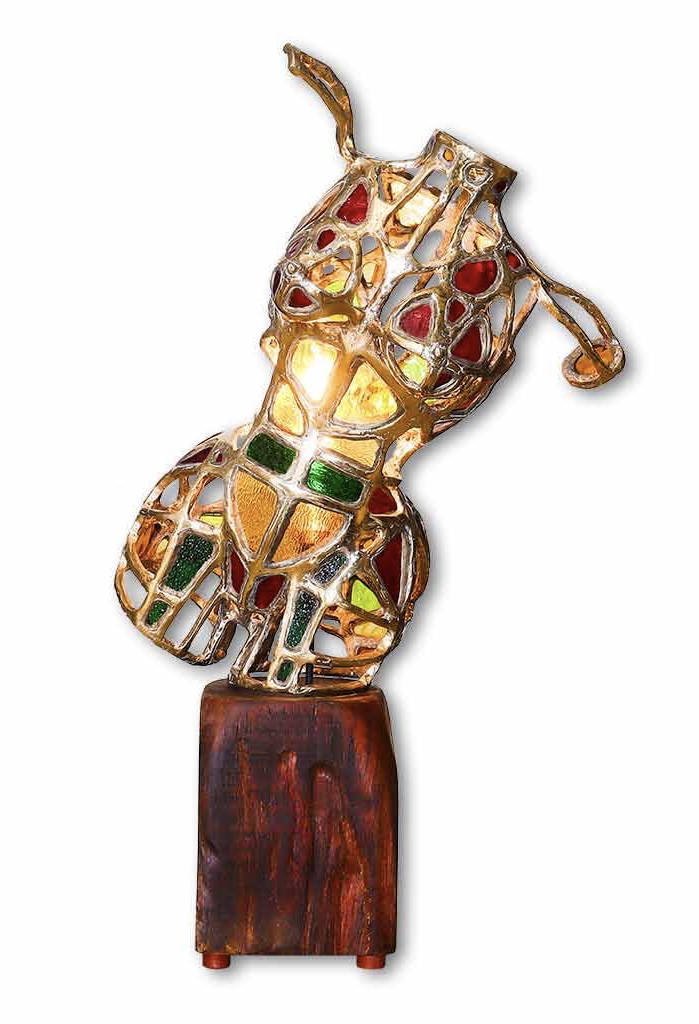
For South African artist and sculptor Francois Coertze, art begins with paying attention. His practice explores observation, character, landscape and the relationship between people and their surroundings, moving between painting and sculpture to investigate the experiences and emotions that stay with him.
Rather than working from a fixed subject, Coertze allows his surroundings and everyday experiences to guide his process. A moment, feeling or observation that continues to linger can eventually become the starting point for a new body of work.
His practice spans both painting and sculpture, with each medium offering a different form of exploration. In painting, Coertze is interested in the discipline of observing nature, understanding shape and proportion, and working with light and colour. His more experimental paintings also allow him to explore techniques and approaches inspired by other artists, while working from within can become a more personal reflection of his own emotions.
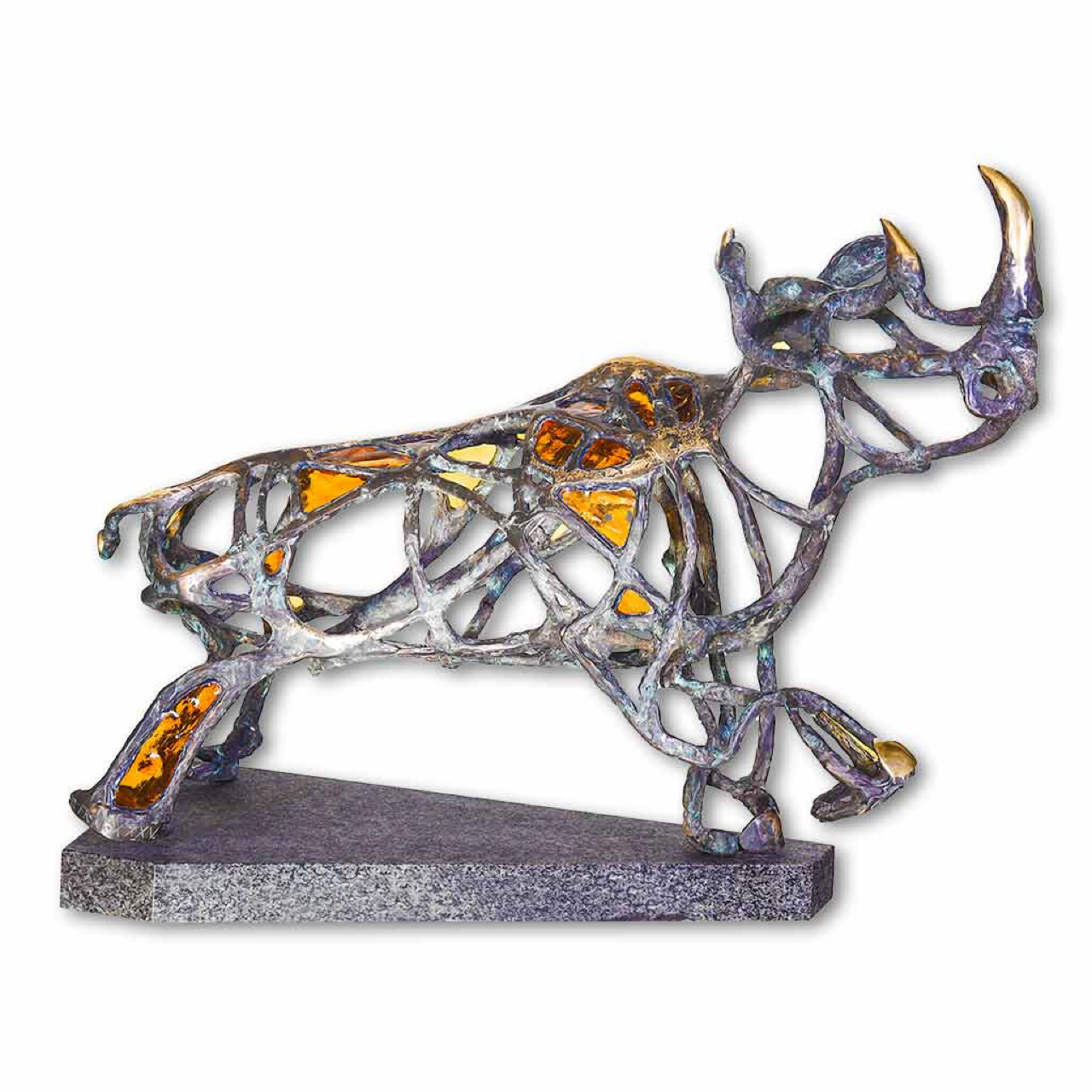
Sculpture, however, remains his primary discipline. Drawn to its physicality, Coertze believes sculpture should be experienced beyond sight. He encourages viewers to touch his work and discover its forms, lines and textures from different angles.
“I always encourage people to touch my work,” he says. “Sculpture is not only visual. There is form and shape.”
His choice of materials is equally important. Coertze works across bronze, stone, wood, glass, metal and mixed media, with each material bringing its own possibilities. He is particularly fascinated by wood as an organic material that continues to change, while stone connects his work to something much older.

That sense of history runs through his practice. Influenced by ancient art and archaeological discoveries, Coertze recently created a rhinoceros sculpture in stone and bronze that unconsciously echoed the Golden Rhino of Mapungubwe. Even the uncertainty of the sculpting process forms part of his creative practice; the stone may change, break or force the entire direction of a piece to shift.
For Coertze, the viewer is an important part of completing that exploration. He does not necessarily want people to arrive at the same interpretation as him.
“I did my exploration, now it is your turn,” he says. “Your perception is yours.”
Looking ahead, Coertze hopes to take his sculpture onto a monumental, international scale, creating works large enough to immerse viewers within them. Ultimately, his ambition is to keep creating, exhibiting and reaching people willing to invest in art.
For Coertze, there is no fixed destination. His practice remains an ongoing exploration of what is possible.